

Your father holds the kitchen counter these days. He moves slowly and avoids stairs. You want to help, but the store aisle confuses you. Metal frames line the shelves, and every box promises safety.
What really makes the difference in a Walker vs Rollator comparison? The answer depends on his balance, strength, endurance, and where he will use the device. A shaky walk needs one design. A tired body after a long walk needs another.
You will find a clear, side-by-side breakdown here. It compares each mobility aid by stability, effort, and comfort. That Walker vs Rollator comparison makes your choice easier. You can then pick a mobility aid with confidence.
Key Takeaways
A standard walker gives the most support for people who have trouble keeping their balance.
A walker with front wheels makes it easier to move while still giving you support.
A rollator gives you speed and a seat, but you need better balance to use it.
Your choice is based on your balance, strength, and everyday activities.
Test each device with a doctor or physical therapist.
Hybrid options mix features from both walkers and rollators.
Taking care of your mobility aid on a regular basis helps avoid accidents and keeps it safe to use.
Standard Walker Basics
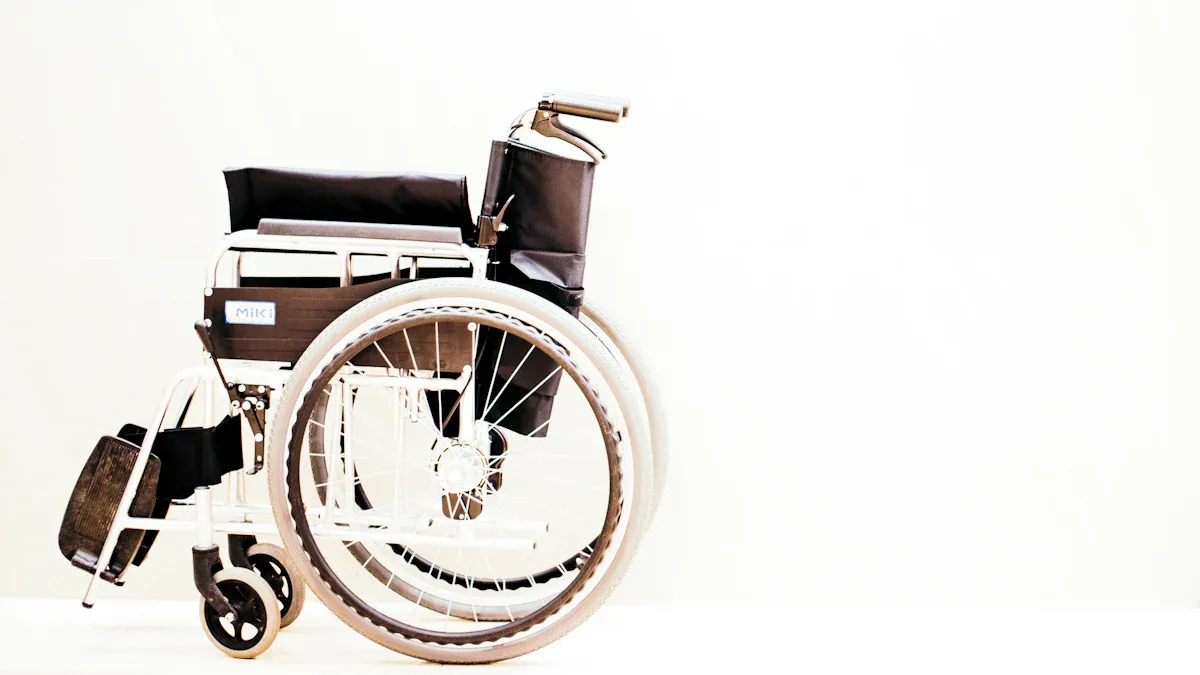
A standard walker is the simplest and most stable mobility aid you can buy. It has a metal frame with four legs and rubber tips. No wheels touch the ground. You lift it, place it forward, and step into it. This design offers the highest level of stability among all walking aids.
How It Works
Frame and Lift-and-Place Motion
The frame is typically made of lightweight aluminum. You grip the handles on both sides. Then you lift the entire device off the floor and set it down a short distance ahead. After that, you step forward into the frame. You repeat this sequence with every step. The motion is deliberate and controlled. It forces you to pause and balance before each movement. That pause makes this aid safe for someone with poor balance.
No Wheels, Maximum Stability
Clinical studies and reviews confirm that standard walkers offer the most inherent stability. Four-wheeled rollators are the least stable. It stays planted on the ground while you lean on it. It does not roll away. This makes it the preferred choice when safety and stability matter most. It also helps users who need to offload weight from an injured leg. A rollator cannot support weight bearing in the same way. The fixed legs create a solid anchor point.
Pros and Cons
Best for Balance and Weight-Bearing
The standard walker excels at two things: balance support and weight bearing. You can push down on the handles and transfer some of your body weight through your arms. That takes pressure off your hips, knees, and ankles. For someone recovering from surgery or living with severe arthritis, this feature matters. The device also gives you a wide base of support. You feel steady even when your legs feel weak.
Slower Movement and Lifting Effort
The trade-off is speed and effort. You must lift the walker with every step. That takes arm strength and energy. Crossing a room takes longer than with a rolling device. The walking pattern also feels less natural. You stop, lift, place, and step. Then you stop again. This stop-and-go rhythm can tire you out quickly. It also makes this aid a poor fit for long distances or uneven ground.
Who It Suits Best
A standard walker suits you best when stability is your main concern. If you feel unsteady on your feet and fear falling, this aid gives you the most support. It works well for short trips around the house. It also helps during recovery from injury or surgery when you need to keep weight off one leg. A physical therapist can guide this choice. Many people start with a standard walker and later move to a wheeled option as their strength improves.
Front-Wheeled Walker Basics
The front-wheeled walker sits between a standard walker and a rollator. It has two wheels on the front legs. Rubber tips sit on the back legs. You push this device forward instead of lifting it. The rear tips stay on the ground when you stop. This design offers a middle ground between stability and ease of movement.
How It Works
Two Front Wheels, Rear Tips
The front wheels roll across most indoor floors. You push the device ahead. The rear tips drag behind. When you stop and lean on the frame, the tips act as brakes. This pattern lets you move more naturally than with a standard model. You do not lift the frame. Your arms work less.
The device stays lightweight. Most models use aluminum tubing. The front set stays small. A fixed design tracks straighter. A swivel design lets you turn more easily but feels less stable.
Gliding Motion with Stability
You push the device ahead and step forward. The rear tips keep the frame from rolling away. This offers more stability than a full rolling design. You can lean on it during pauses. The design works well on flat indoor surfaces like tile or wood.
But the rear tips can catch on uneven ground or thick carpet. This makes the device less suited for outdoor use.
Pros and Cons
Easier Movement, Less Lifting
The biggest benefit is less effort. You glide rather than lift. This saves energy over time. You can walk further before feeling tired. The front design encourages a more natural walking pattern. Your stride stays consistent.
This device suits people who have some arm strength but not enough to lift a standard walker repeatedly. You rely on this aid for added balance rather than full-weight support.
Limited Turning, No Seat
This device has drawbacks. Turning takes more care. The rear tips can drag during a turn. You need to lift the rear slightly to pivot. You also get no seat. You cannot rest during a long walk.
Safety concerns exist. This type can increase the risk of falls for users who need to put full body weight on it. User reports highlight the following risks:
Reported safety concern | Injury outcome |
|---|---|
Front wheel detached from the walker | Emergency room visit; major injury |
Weak front flat bracket crumbled | Major injury risk; fear of falling |
Inspect your device regularly for these issues.
Who It Suits Best
This device suits you if you have an unstable gait but do not need to bear substantial weight on it. You walk with an unsteady pattern. You need some support for balance. But you do not rely on the device to hold your full body weight.
A front wheeled walker is recommended for patients who have an unstable gait, but do not need to bear a substantial amount of weight on the walker.
This mobility device works well for people with mild balance problems. It also works for those who feel ready to move beyond a basic design. It offers more freedom while keeping a safety net. You get better speed without giving up stability.
Rollator Basics
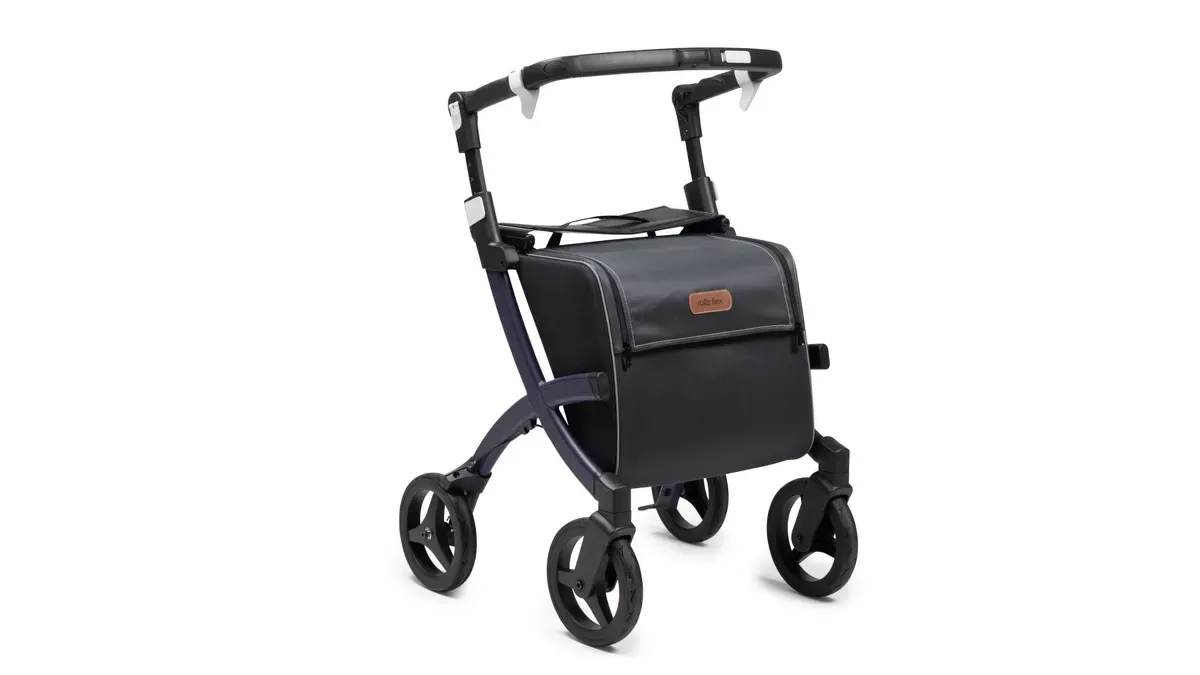
A rollator, also called a rolling walker, gives you wheels on all four legs. It includes hand brakes and a padded seat. This design supports a more normal walking pattern than a standard walker. You push it ahead of you and walk behind it at your own pace.
How It Works
Four Wheels, Brakes, and Seat
The four wheeled walker rolls on all four legs. Each wheel moves independently. This lets you steer around corners and over small obstacles. Hand brakes sit on the handles. You squeeze them to slow down or stop. The padded seat lets you rest when you feel tired. Some models include a storage basket or pouch under the seat.
Steering and Pushing
You push the rollator forward with both hands. The wheels roll smoothly across floors, sidewalks, and gravel paths. You do not lift the device. This saves your energy for walking. The frame stays sturdy and supports your weight as you move. You can turn by guiding the handles left or right.
Pros and Cons
Comfort, Speed, and Resting Spot
The rollator shines for comfort and endurance. You walk faster and farther than with other aids. The seat gives you a place to sit during long outings. This mobility aid works well outdoors on uneven surfaces. You can visit a park, a store, or a museum without fear of exhaustion.
Less Stability for Severe Balance Issues
The rollator offers less stability than a standard walker. The wheels can roll away if you lean too hard. This makes it a poor fit for severe balance problems. You need enough hand strength to work the brakes. You also need good judgment to use them safely.
Where braking judgment or hand function is in question, the rollator is contraindicated irrespective of patient preference.
Who It Suits Best
The rollator suits you if you need endurance support and a place to rest. You can walk without lifting a frame. You have enough balance to control the device. You also have the hand strength to squeeze the brakes. This aid helps people with arthritis, heart conditions, or general weakness. It lets you stay active and independent. A physical therapist can help you decide if this device matches your needs.
Walker vs Rollator: Key Differences
You have seen how each aid works on its own. Now you need the direct comparison. Three areas separate these devices in daily use: weight and portability, wheels and control, and the comfort features you gain or give up. Each difference points to a different kind of user.
Weight and Portability
A standard walker weighs the least of the three designs. Its aluminum frame carries no wheels, no brake cables, and no seat. You can lift it with one hand and fold it flat for a car trunk. A front-wheeled walker adds a small amount of weight at the front legs. The frame still folds and still travels easily.
A rollator weighs the most. The four wheels, the brake system, and the padded seat all add mass. Folding models exist, but the folded package stays bulkier than a walker frame. Lifting a rollator into a trunk takes more strength.
This difference shapes your daily routine. If you ride in a car often, a lighter frame saves your energy. If your device stays on one floor of your home, weight matters less. Think about who lifts the device and how often.
Wheels, Brakes, and Steering
The wheel setup changes how you control the device. A standard walker has no wheels at all. You lift and place it, so it never rolls away from you. A front-wheeled walker rolls on two front wheels while the rear tips drag. A rollator rolls on all four wheels and needs hand brakes to stop.
Braking separates these designs in a real safety sense. Consider what each system does:
A rollator uses hand-operated brakes. These brakes give you control and allow a gradual stop. That control prevents slips and falls, especially on slopes or slippery surfaces. Braking also matters when you sit down. Reliable parking brakes keep the frame still while you lower yourself onto the seat. Poor brake use raises your fall risk.
A walker relies on glide tips or rubber caps. Glide caps reduce snagging on indoor floors. They also cut down the stop-start moments that can upset your balance. These caps are accessories for customization, not a braking system. They help you move smoothly, but they cannot stop the device for you.
Steering follows the same pattern. A rollator turns with a push on the handles. A walker turns only when you lift and reposition it. Your hand strength and judgment decide which system you can use safely.
Seats, Storage, and Convenience
Convenience is where the rollator pulls ahead. The padded seat gives you a resting spot during long outings. A storage pouch or basket under the seat holds a purse, a water bottle, or groceries. You can walk to a store, shop, and sit when you tire.
A walker offers none of this. You get no seat and no built-in storage. You cannot rest mid-trip. You must find a chair or turn back home.
These extras come with a trade-off. The seat and basket add weight and width. A wider frame fits through narrow doorways less easily. The seat also invites you to lean and sit, which demands stable brakes and good balance.
Your choice comes down to your day. A short trip across the kitchen needs no seat. A walk through a park or a long museum visit rewards you with one. Weigh the convenience against the bulk, and pick the aid that matches your routine.
Choosing the Right Mobility Aid
Assess Balance and Strength
Your first step is to check three things: balance, mobility, and strength. Physical therapists use a clear set of steps to match patients with the right device. This process follows Centers for Medicare and Medicaid Services rules for durable medical equipment. The steps start with two main questions. Can the user put weight through both legs? Does the user have enough upper body strength to lift a standard walker over and over?
If the answer to both questions is yes, you have more choices. If the user cannot put weight on one leg, a standard device becomes the safest pick. It supports partial or total weight-bearing better than any other design. A four-wheeled option cannot do that job. The wheels can roll away when you lean on the frame.
The table below shows how each device lines up with specific patient needs.
Device | Key Strengths | Key Limitations | Best-Fit Patient Profile |
|---|---|---|---|
Standard design | Highest stability; broad base of support; accommodates all weight-bearing statuses | Requires lifting; slow reciprocal gait; unsuitable for stairs | Older adults with poor balance; partial-to-total weight-bearing patients with sufficient upper-extremity strength |
Front-wheeled design | Easier to advance; continuous floor contact; retains good stability | Slightly less stable than a basic model; not usable on stairs | Patients unable to lift a standard device (e.g., deconditioning, Parkinson’s disease) |
Four-wheeled model | Fastest ambulation; integrated seat for resting; encourages upright posture | Least stable option; may roll away; contraindicated for non- or total weight-bearing | Community ambulators with endurance limitations (e.g., COPD, cardiac conditions) |
The device selection process, aligned with Medicare guidelines, uses a simple logic path. You assess weight-bearing status first. Then you check upper-body strength. These two factors narrow your choices quickly.
An algorithm for selecting assistive devices notes that they qualify for Medicare Part B coverage as durable medical equipment when appropriately matched to the patient’s medical condition and functional abilities.
Grip strength matters too. A four-wheeled device needs enough grip strength to work hand brakes. You must squeeze the brake levers to stop the device safely. If the user has weak hands from arthritis or nerve damage, this design becomes a runaway hazard. Loop-style brakes can help some users with weaker grip. But for many people with hand weakness, a standard or front-wheeled model remains the better choice. A physical therapist can test grip strength and recommend the right design.
Match the Aid to Your Environment
Your daily environment decides which device works best. Think about where you spend most of your time. Inside a small home with narrow doorways and thick carpet, a standard or front-wheeled model moves easily. A four-wheeled design with its wider frame may struggle in tight spaces. Measure your doorways before you buy.
For outdoor use, the picture changes. A model with four wheels handles sidewalks, gravel paths, and park trails better than a lifter type. The wheels roll over small obstacles. The seat gives you a place to rest during long outings. If you plan to visit stores, museums, or outdoor markets, this design supports longer trips.
Think about stairs too. Standard and front-wheeled models cannot climb stairs safely. You need a handrail and enough strength to manage steps without your mobility aid. A four-wheeled model also cannot handle stairs. Plan your home layout so you keep the device on the floor where you need it most. If your bedroom is upstairs, consider keeping a device on each floor.
The surface you walk on most often guides your choice. Smooth tile, hardwood, or linoleum works with any device. Thick carpet can catch the rear tips of a front-wheeled model. Outdoor paths need wheels that roll over cracks and bumps. A device with larger wheels handles these conditions best.
Consider Hybrid and Combination Options
The walker vs rollator decision does not have to be permanent. Some designs blend the features of both assistive devices. These hybrid options give you more flexibility. They let you adjust your support as your strength and balance change over time.
Rollators with Walker-Style Stability
Some rollator-style designs add extra stability features. They include wider wheel bases or lower centers of gravity. These designs feel more planted than a standard four-wheeled model. You get the seat and brakes you want without sacrificing as much stability.
Look for models with larger wheels and a sturdy frame. Some options include a three-wheel design for tighter turning. Others offer heavier frames for maximum support. Test these options in person to feel how they handle your weight. The right hybrid gives you the best of both worlds.
Walkers with Added Wheels or Seats
You can also modify a basic frame to add convenience. Front-wheeled designs already add two wheels for easier movement. Some models let you add a small seat or a storage pouch. These accessories give you some of the convenience features without the full weight of a four-wheeled design.
Another option is a frame with glide caps on the rear legs. These caps let the back legs slide instead of drag. You move faster without lifting the frame. This setup works well for short trips around the house.
Remember that no single device fits every situation. Some people own both a standard design for home use and a four-wheeled model for outdoor trips. Talk to your doctor or physical therapist before you buy. They can watch you walk with each device and recommend the best fit. Testing options in person tells you more than reading reviews online.
A standard walker offers the most stability for balance problems. A front-wheeled design eases movement without losing all support. Rollators add speed, a seat, and brakes but demand stronger balance and hand strength. Your choice depends on your own balance, strength, and daily routine. Popularity does not determine safety. Test each device in person. Let a doctor or physical therapist watch you walk. They see what you cannot feel. Proper fit keeps your mobility aid effective. Regular maintenance prevents accidents. Adjust the height. Check the tips and brakes. Replace worn parts. Consult a specialist before making your purchase. A well-maintained device supports your independence safely.
FAQ
Can I use a rollator if I have severe balance problems?
No. A rollator offers the least stability of the three designs. The wheels can roll away when you lean on the frame. If you fear falling or need to bear full weight on the device, choose a standard walker instead. A physical therapist can assess your balance and guide this decision.
How do I know if I have enough hand strength for a rollator?
You need enough grip strength to squeeze the hand brakes. If arthritis or nerve damage weakens your hands, the rollator becomes a runaway hazard. Loop-style brakes help some users. A physical therapist can test your grip and recommend the right design for your hands.
Can I use a walker or rollator on stairs?
No. Standard walkers, front-wheeled walkers, and rollators cannot climb stairs safely. You need a handrail and enough strength to manage steps without your device. Plan your home layout so you keep an aid on each floor where you need it.
Which device works best on thick carpet?
A standard walker or front-wheeled walker handles thick carpet better than a rollator. The rear tips of a front-wheeled model can catch on carpet, so lift the rear slightly when you turn. A rollator’s wheels may struggle in tight spaces with deep pile.
How much does each type weigh?
A standard walker weighs the least because it has no wheels, brakes, or seat. A front-wheeled walker adds a small amount of weight at the front legs. A rollator weighs the most due to its four wheels, brake system, and padded seat.
Can I add a seat to a standard walker?
Some front-wheeled models let you add a small seat or storage pouch. These accessories give you convenience without the full weight of a rollator. However, a standard walker with no wheels cannot support a seat safely. Talk to your doctor before modifying any device.
How often should I inspect my mobility aid?
Check your device regularly for worn tips, loose wheels, and frayed brake cables. Replace worn parts immediately. A front wheel can detach or a bracket can crumble if you skip inspections. Proper maintenance keeps any aid safe and effective.
Should I buy a walker or rollator without trying it first?
No. Test each option in person. A doctor or physical therapist can watch you walk with each device and recommend the best fit. Testing tells you more than reading reviews online. Your balance, strength, and daily routine decide the right choice.