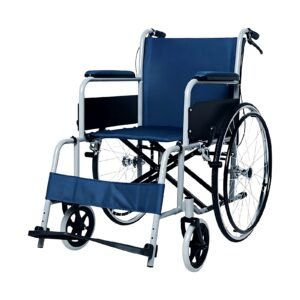
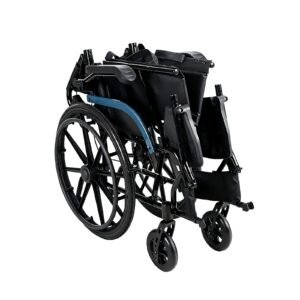
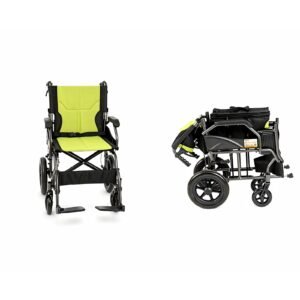
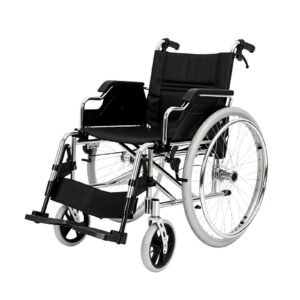
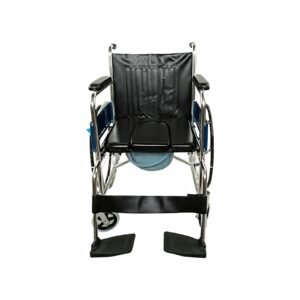
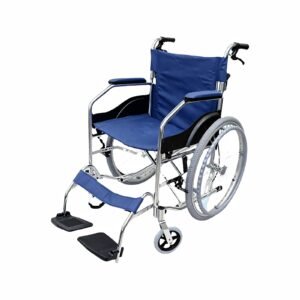
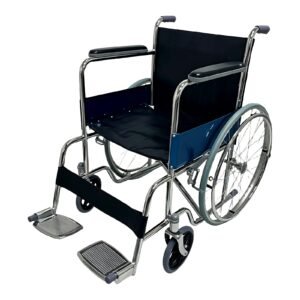
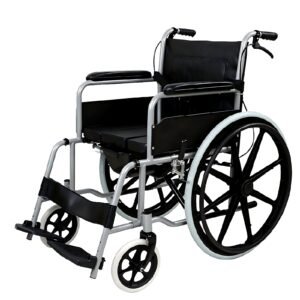
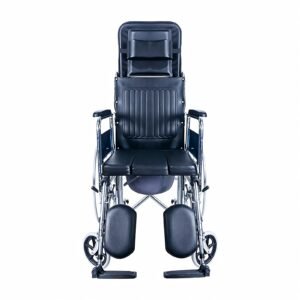
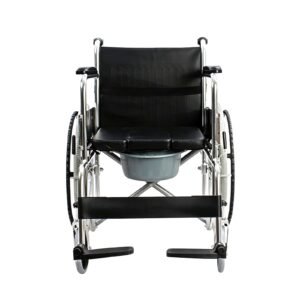
Manual Wheelchairs for Daily Mobility and Assisted Transport
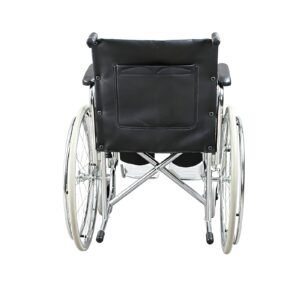
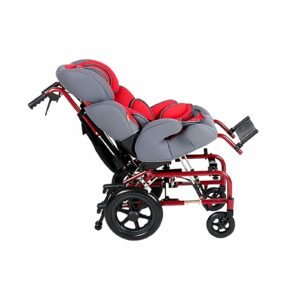
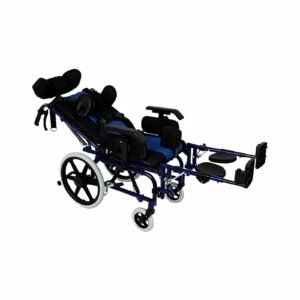
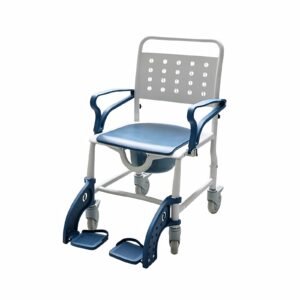
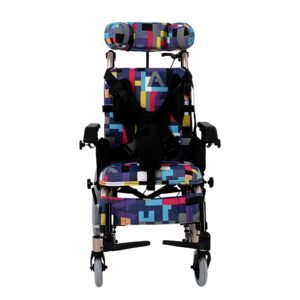
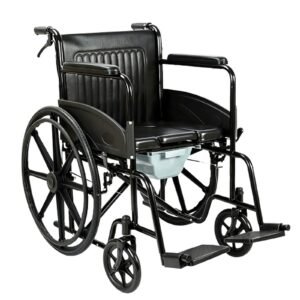
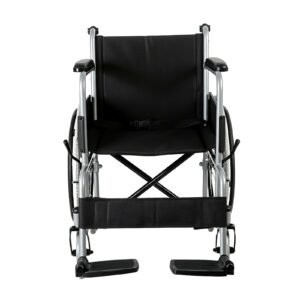
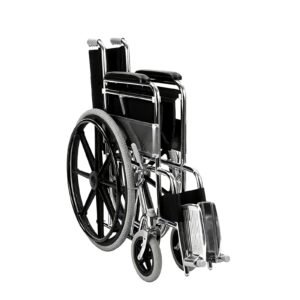
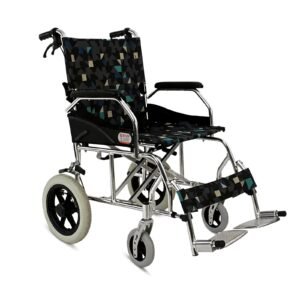
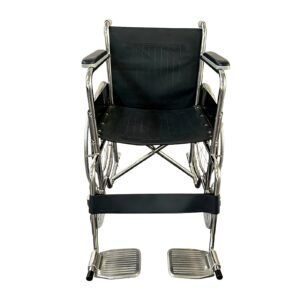
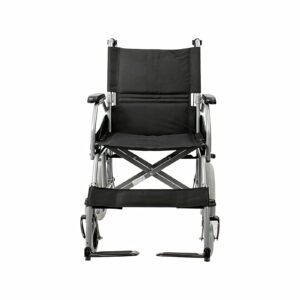
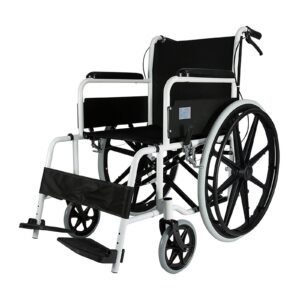
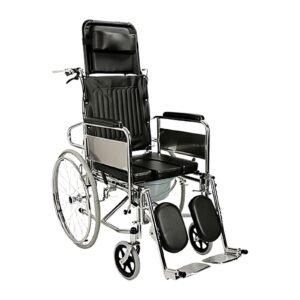
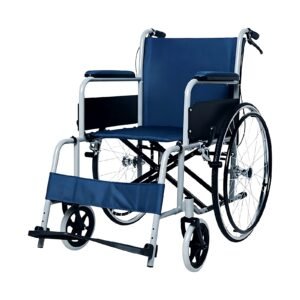
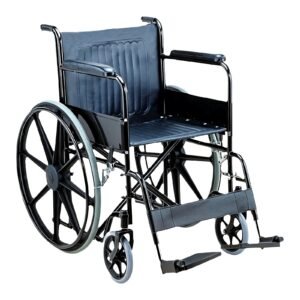
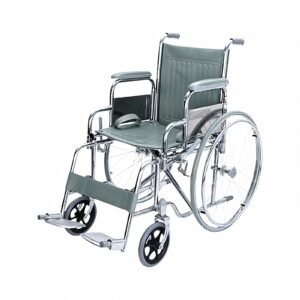
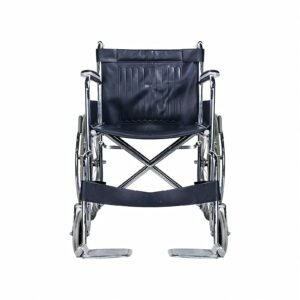
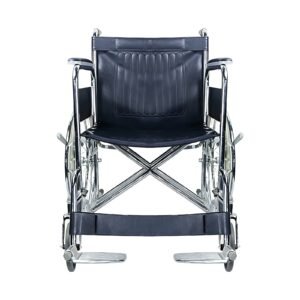
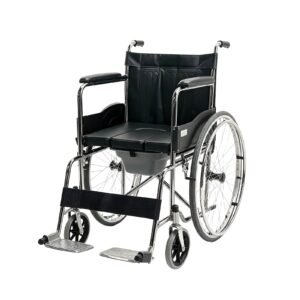
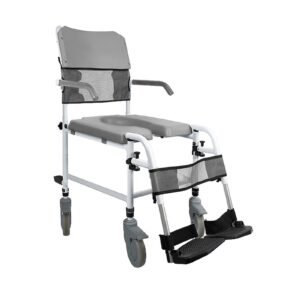
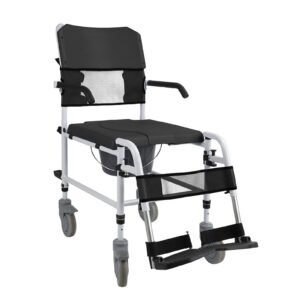
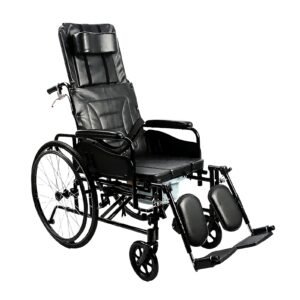
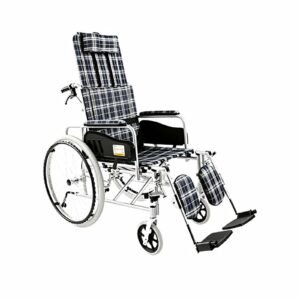
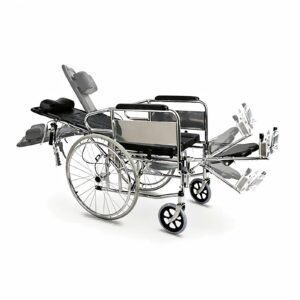
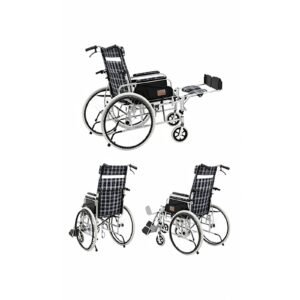
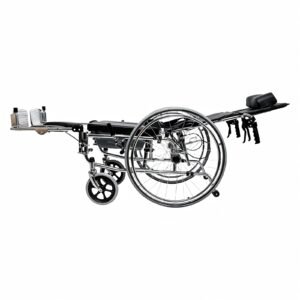
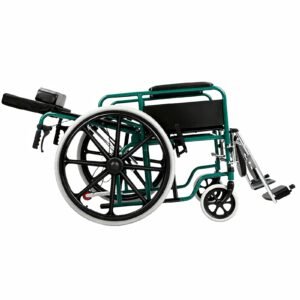
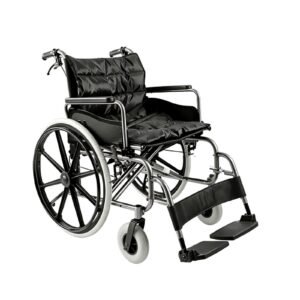
Vatocare manual wheelchairs are developed for practical mobility across home care, hospitals, rehabilitation, transport services, care facilities, and community use. The range includes folding wheelchairs for everyday storage, compact transport chairs for caregiver propulsion, pediatric configurations, reclining models for additional postural support, and commode wheelchairs that combine mobility with toileting assistance. This variety allows buyers to select products according to user function, transport needs, care routines, and target-market requirements.
What Buyers Should Know
A manual wheelchair moves through self-propulsion using rear hand rims or through caregiver assistance using push handles. The correct configuration depends on seat dimensions, user posture, total weight, propulsion method, transfer technique, storage space, and travel frequency. Frame geometry, wheel size, brakes, armrests, footrests, upholstery, and folding mechanism all influence handling and comfort. Clinical users may require more specialized positioning than short-term transport users.
Product Types and Applications
How to Choose the Right Product
Measure seat width, seat depth, back height, footrest length, and overall chair width. Consider whether the user will self-propel, whether the chair must fit through narrow doors, and how often it will be folded or loaded into a vehicle. Check frame material, safe load, wheel type, brake access, armrest removal, footrest swing-away function, anti-tip needs, cushion options, and cleaning requirements. Reclining and commode configurations should be matched to a defined care routine.
Use, Care, and Application Considerations
Wheelchair use varies significantly between short transfers, daily self-propulsion, caregiver transport, pediatric mobility, reclining care, and toileting routines. A transport chair prioritizes compact handling by a caregiver, while a self-propelled wheelchair requires suitable rear wheels, hand-rim access, and user reach. Folding frames simplify storage but still need inspection at hinges and cross braces. Reclining and commode wheelchairs introduce additional positioning and care requirements. Users and caregivers should routinely check tire condition, wheel security, brakes, footrests, armrests, upholstery, anti-tip components, and folding locks. Seating posture and pressure management may require professional assessment.
Planning a Practical Product Range
A wheelchair range can be structured by propulsion, portability, positioning, and care function. Standard folding models suit broad daily demand, transport chairs prioritize caregiver handling, pediatric products address smaller dimensions, reclining designs add positioning capability, and commode wheelchairs support combined care routines. Buyers benefit when each product page gives comparable measurements and component information. Internal links from this page help users narrow the catalog before reviewing exact seat sizes, wheel layouts, brakes, folded dimensions, net weight, and available accessories.
Customization and Global Supply
For eligible wheelchair programs, Vatocare can discuss frame finishes, seat dimensions, upholstery colors, wheel configurations, armrests, footrests, cushions, accessories, logos, manuals, labels, and packaging. One-piece evaluation orders support product assessment before larger purchasing decisions. Global supply capabilities serve distributors, hospitals, rehabilitation projects, mobility retailers, and institutional buyers seeking a flexible mix of manual wheelchair models.
Procurement Guidance for Distributors and Care Projects
Wheelchair buyers should compare more than seat width and price. Request total width, folded width, seat depth, back height, safe load, frame material, rear-wheel type, caster size, brake position, armrest style, footrest adjustment, net weight, carton size, and accessory availability. A distributor range may include a standard folding chair, a lightweight transport chair, pediatric sizing, a reclining option, and a commode configuration. Vatocare supports one-piece evaluation, eligible product and packaging customization, mixed-model procurement, and global supply for mobility retailers, hospitals, rehabilitation projects, and care networks.
Why Work with Vatocare?
Vatocare combines a broad care-equipment catalog with flexible sourcing for importers, distributors, healthcare buyers, and project customers. Our advantages include orders starting from one piece, customization support for eligible models, coordinated packaging and branding options, mixed-product sourcing, and worldwide supply assistance. Product availability and customization scope depend on the selected model and order requirements, so buyers can discuss specifications before confirming production. Before shipment, customers can confirm model specifications, packing details, labeling requirements, and destination information with the sales team. This step-by-step approach supports sample review, repeat purchasing, and the gradual development of a market-appropriate product range without forcing every buyer into the same configuration.
Frequently Asked Questions
What is the difference between a transport chair and a manual wheelchair?
A transport chair is normally propelled by a caregiver and often uses smaller rear wheels. A self-propelled manual wheelchair has larger rear wheels and hand rims that allow suitable users to move independently.
How should wheelchair seat width be selected?
Seat width should provide appropriate clearance without allowing excessive lateral movement. Buyers should also consider seat depth, back height, armrest spacing, clothing, cushions, and total chair width for doorways.
When is a reclining wheelchair appropriate?
Reclining models may support users who cannot maintain an upright posture for extended periods. They require careful selection of back support, head support, footrests, brakes, anti-tip features, and caregiver handling.
Can wheelchair components be customized?
Eligible projects may discuss frame finish, upholstery, seat dimensions, wheels, armrests, footrests, cushions, accessories, logos, manuals, and packaging. Structural feasibility varies by model.
Can I order one wheelchair for evaluation?
Yes. Vatocare supports orders starting from one piece so buyers can evaluate folding, handling, dimensions, finish, and packaging before scaling.