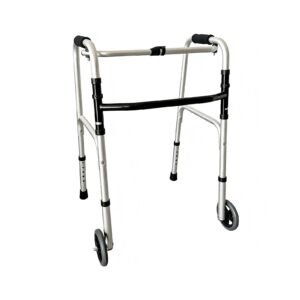
Walking Aids for Balance, Rehabilitation, and Everyday Mobility
Vatocare walking aids cover different levels of balance support, weight bearing, rehabilitation, and daily movement. The range includes standard walkers, folding frames, seated walkers, rollators, knee walkers, canes, crutches, and selected patient-transfer solutions. These products serve older adults, postoperative users, rehabilitation patients, people with temporary injuries, and care providers across homes, clinics, hospitals, community routes, and travel.
What Buyers Should Know
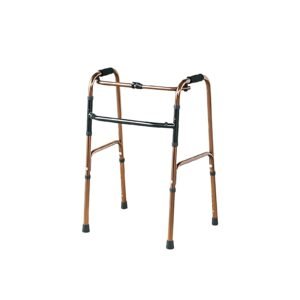
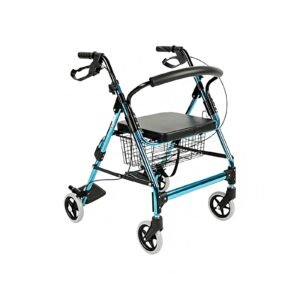
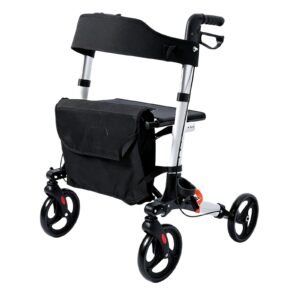
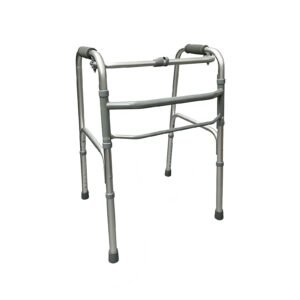
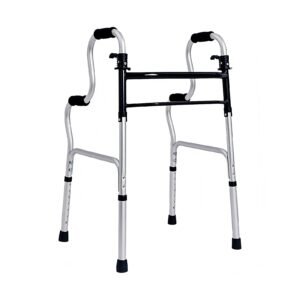
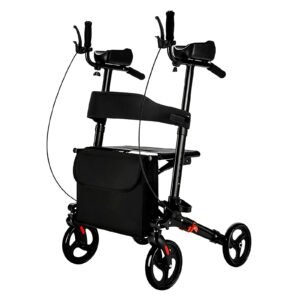
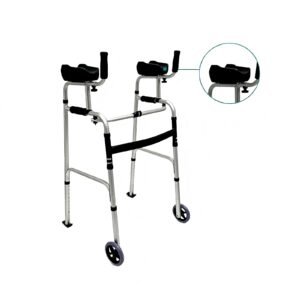
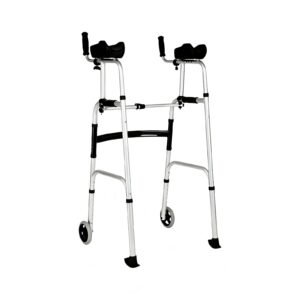
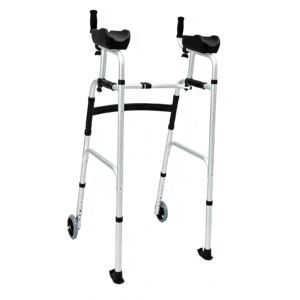
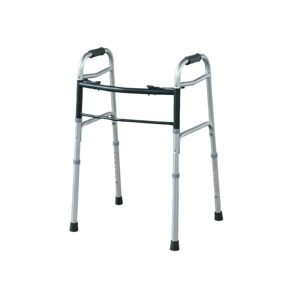
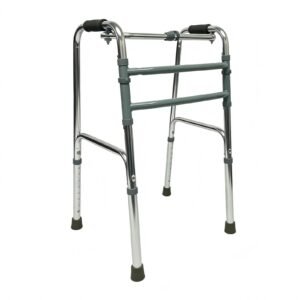
Walking aids should match the user’s strength, coordination, gait pattern, endurance, and environment. A standard walker offers deliberate four-point support, while a rollator provides continuous rolling movement and often includes brakes, a seat, or storage. Crutches and canes provide more targeted assistance, and knee walkers support some lower-leg recovery situations. Patient-lifting equipment addresses a different need: assisted transfers rather than walking. Product selection should therefore begin with function, not simply size or appearance.
Product Types and Applications
| Product type |
Primary purpose |
Common applications |
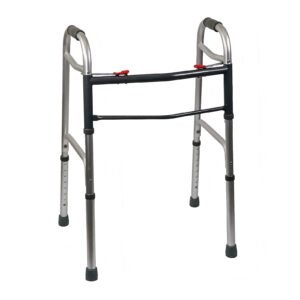
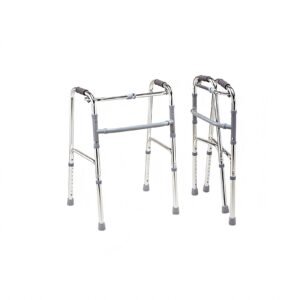
| Standard walkers |
Stable four-point walking support |
Home and rehabilitation |
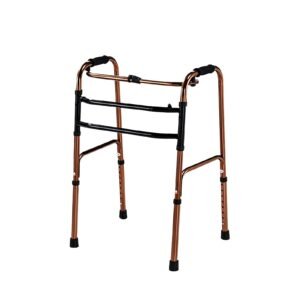
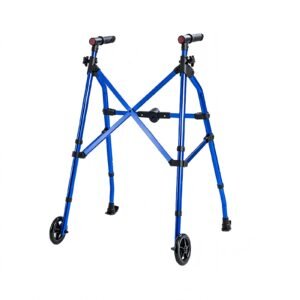
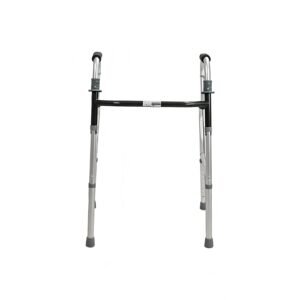
| Folding walkers |
Portable balance assistance |
Travel and compact storage |
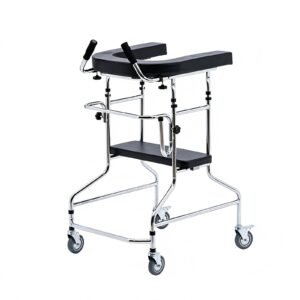
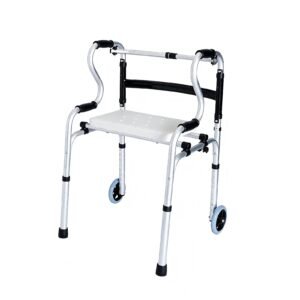
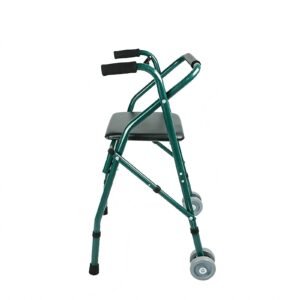
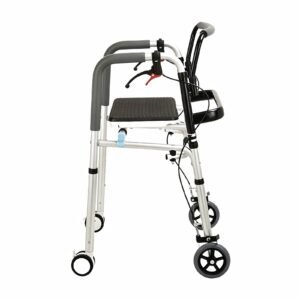
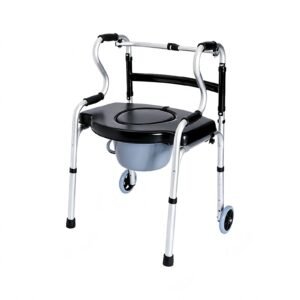
| Walkers with seats |
Walking support with rest capability |
Daily indoor and outdoor use |
| Rollators |
Wheeled mobility with hand brakes |
Community and longer routes |
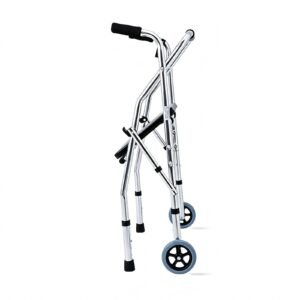
| Medical knee walkers |
Lower-leg recovery mobility |
Postoperative and injury support |
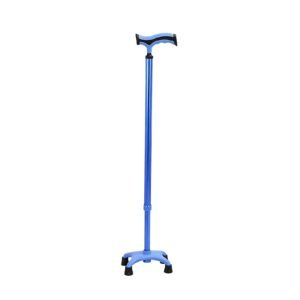
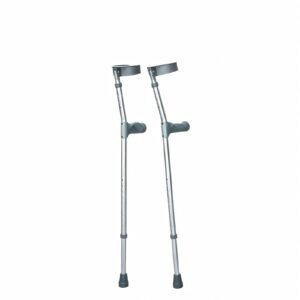
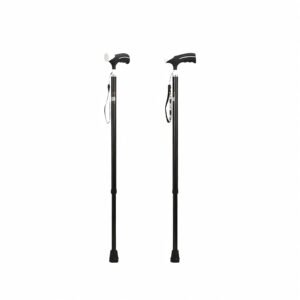
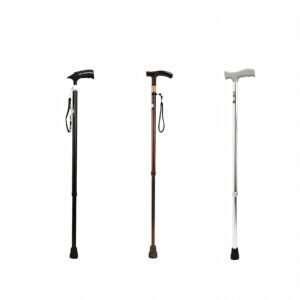
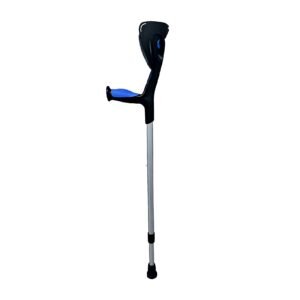
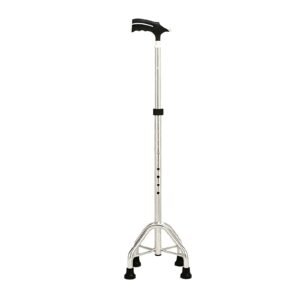
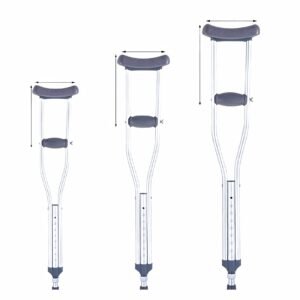
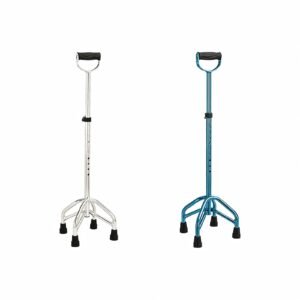
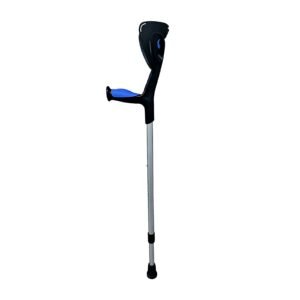
| Canes and crutches |
Light or partial weight-bearing support |
Rehabilitation and temporary use |
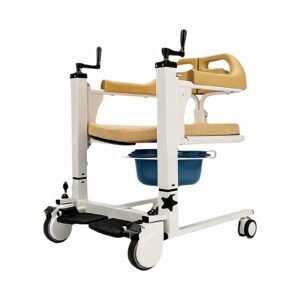
| Patient lifts |
Caregiver-assisted transfers |
Hospitals and long-term care |
How to Choose the Right Product
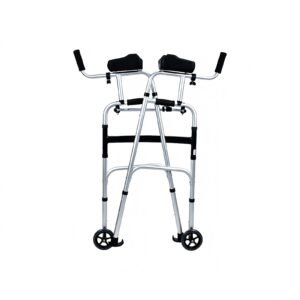
Assess whether the user needs a fixed frame, front wheels, four wheels, a seat, hand brakes, forearm support, or partial weight-bearing assistance. Confirm handle height, adjustment range, frame width, safe load, folded size, wheel diameter, brake operation, seat height, storage needs, and indoor or outdoor surface conditions. For crutches, canes, and knee walkers, proper sizing is essential. Patient lifts require a separate transfer assessment and suitable caregiver training.
Use, Care, and Application Considerations
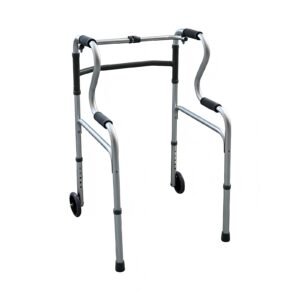
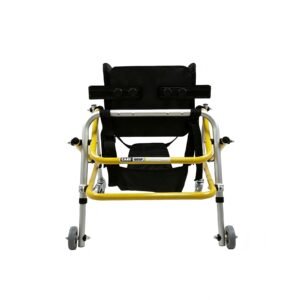
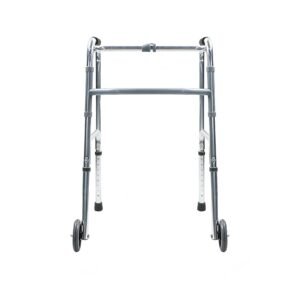
Walking aids should be introduced according to the user’s balance, strength, coordination, weight-bearing status, endurance, and environment. Standard walkers provide deliberate support but require lifting or controlled advancement. Front-wheeled walkers reduce lifting effort, while rollators move continuously and depend on safe brake use. Seated walkers provide rest capability but the seat must only be used when the device is secured as instructed. Knee walkers and crutches serve different recovery patterns and require correct sizing. Routine checks should cover handle adjustment, tips, wheels, brakes, folding locks, seats, fasteners, and frame alignment. Clinical guidance may be appropriate when gait or weight-bearing status changes.
Planning a Practical Product Range
Walking-aid navigation should make the level of support clear. Canes and crutches provide targeted assistance, standard walkers offer a stable frame, wheeled walkers reduce lifting, and rollators add continuous movement, brakes, seating, or storage. Knee walkers address selected recovery situations, while patient lifts belong to assisted transfer workflows. Separating these functions reduces incorrect comparisons and helps buyers reach suitable product groups. Detailed product pages can then explain handle range, frame width, wheel size, braking, safe load, folded size, and accessory options.
Customization and Global Supply
Vatocare supports eligible walking-aid projects with choices in frame dimensions, materials, finishes, colors, wheels, brakes, handles, seats, bags, baskets, tips, branding, manuals, and packaging. Buyers can begin with one product for evaluation, create mixed-model orders, and expand to distributor or healthcare-program quantities. Global sourcing and delivery support helps customers serve different mobility needs through one coordinated product range.
Procurement Guidance for Distributors and Care Projects
A complete walking-aid assortment should cover light balance support, structured rehabilitation, indoor mobility, outdoor routes, and temporary injury recovery. Buyers should compare handle height, adjustment increments, frame width, safe load, folded size, wheel diameter, brake design, seat height, storage accessories, and replacement tips or wheels. Patient lifts should be treated as transfer equipment with separate operating requirements. Vatocare supports one-piece samples, mixed-model orders, eligible customization, private labeling, packaging development, and global supply for pharmacies, mobility retailers, hospitals, rehabilitation providers, and community-care programs.
Why Work with Vatocare?
Vatocare combines a broad care-equipment catalog with flexible sourcing for importers, distributors, healthcare buyers, and project customers. Our advantages include orders starting from one piece, customization support for eligible models, coordinated packaging and branding options, mixed-product sourcing, and worldwide supply assistance. Product availability and customization scope depend on the selected model and order requirements, so buyers can discuss specifications before confirming production. Before shipment, customers can confirm model specifications, packing details, labeling requirements, and destination information with the sales team. This step-by-step approach supports sample review, repeat purchasing, and the gradual development of a market-appropriate product range without forcing every buyer into the same configuration.
Frequently Asked Questions
What is the difference between a walker and a rollator?
A walker generally provides a more deliberate support pattern and may have no wheels or only front wheels. A rollator normally has multiple wheels, hand brakes, and often a seat or storage, supporting smoother continuous movement.
How should handle height be adjusted?
Handle height should support an appropriate upright posture and comfortable elbow position. The correct setting depends on the user’s height, arm length, gait, and clinical needs; adjustment pins must be fully engaged.
When is a knee walker suitable?
A knee walker may support some users recovering from lower-leg or foot conditions who can safely bear weight through the knee platform. It is not appropriate for every injury, balance level, or surface.
Are patient lifts walking aids?
Patient lifts support caregiver-assisted transfers rather than walking. They appear in the wider mobility range but require separate assessment, compatible slings or accessories, suitable space, and trained operation.
Can walking aids be ordered with branding?
Eligible models may support colors, grips, seats, bags, wheels, labels, logos, instructions, and packaging. Vatocare also supports orders starting from one piece and scalable global supply.