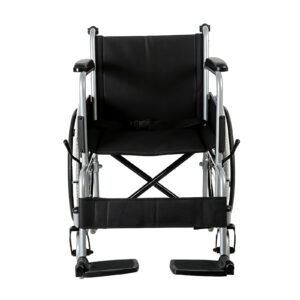
Product Specifications
| Item |
Specification |
| Brand / Model |
Vatocare / VT-MW-014 |
| Frame |
Corrosion-resistant aluminum alloy |
| Versions |
Pediatric / adult |
| Net Weight / Capacity |
21 kg / 75 kg; 22 kg / 100 kg |
| Age / Height |
5–13 years and 105–145 cm; 14+ and 140–170 cm |
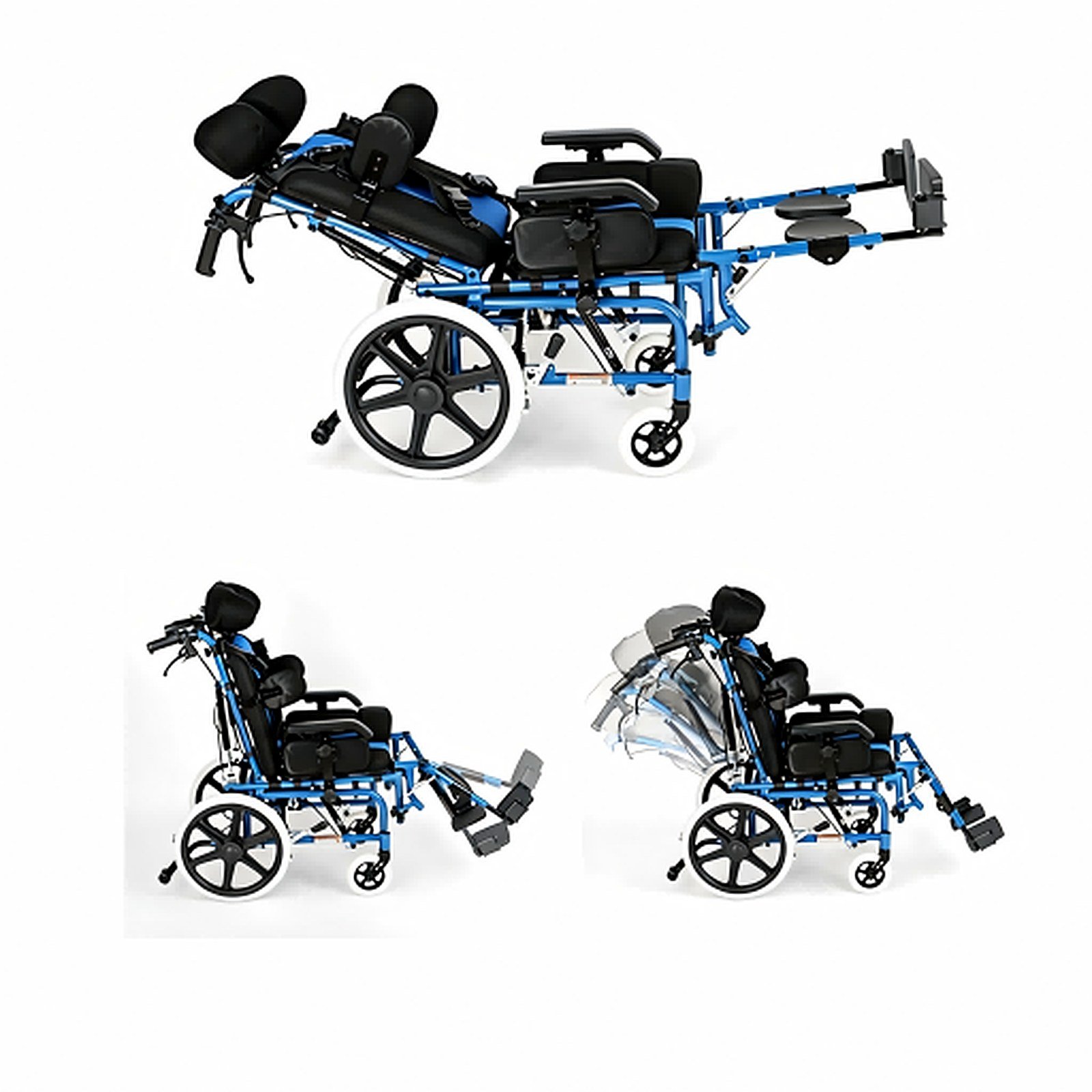
| Backrest |
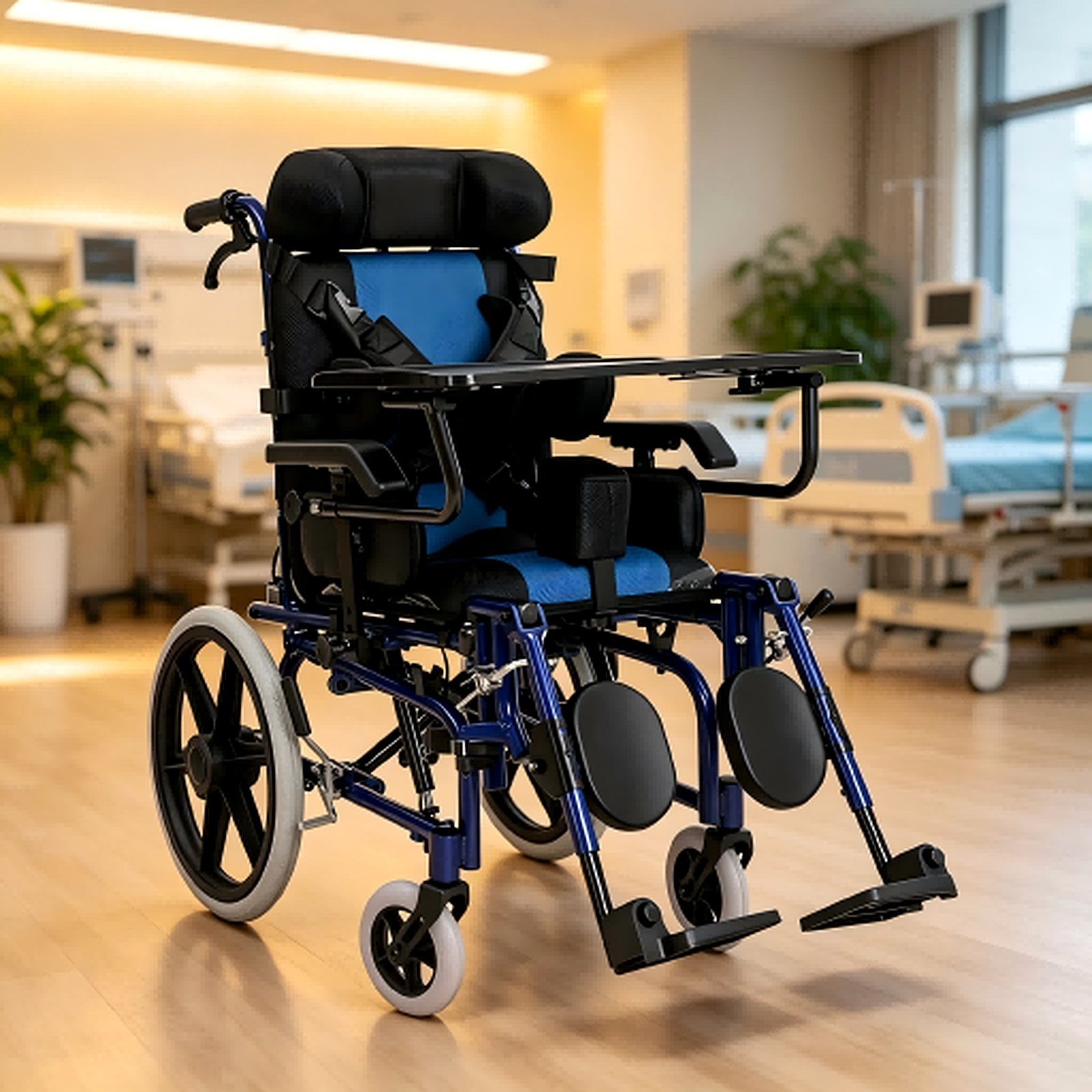
90–170° continuous hydraulic adjustment |
| Seat Tilt |
0–45° rearward |
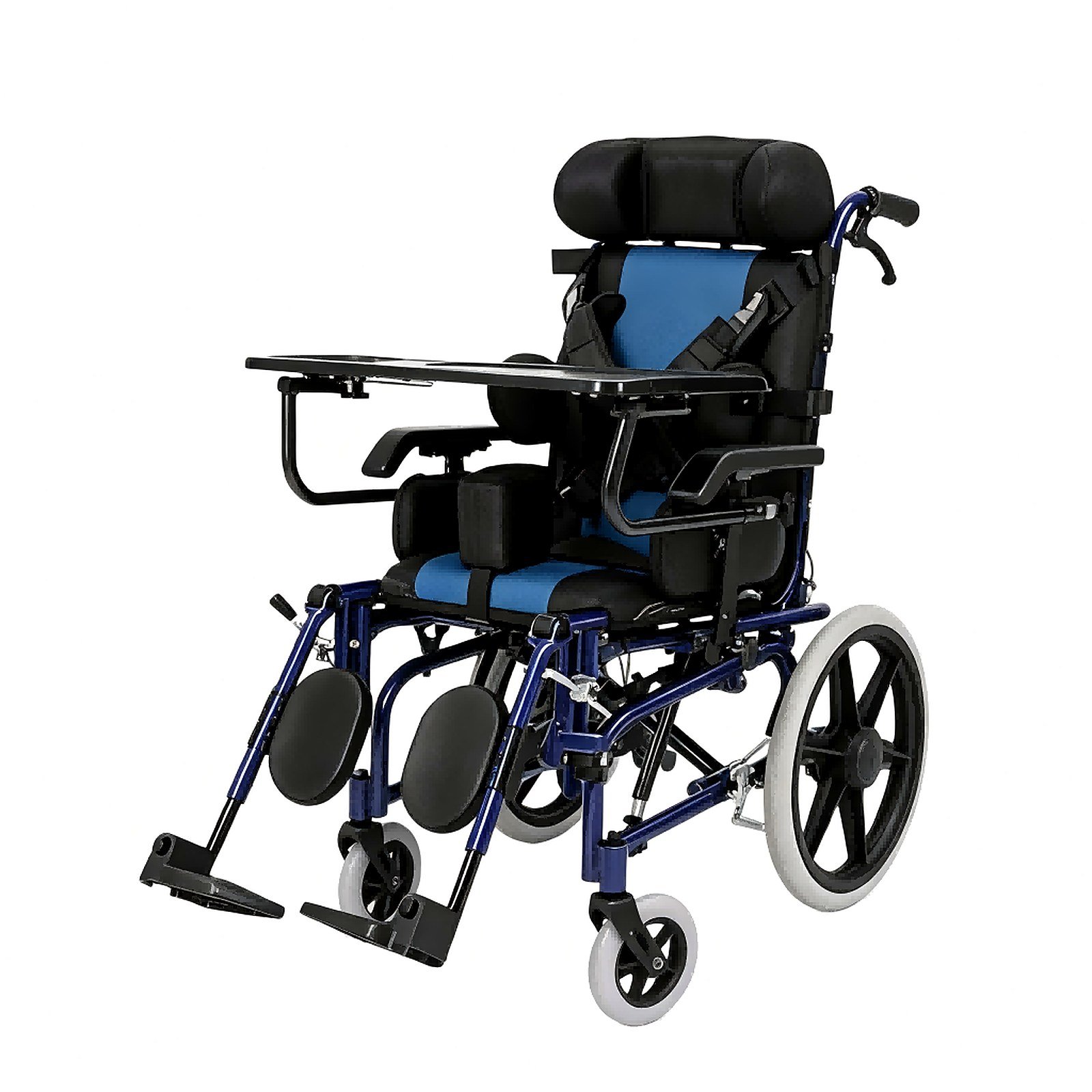
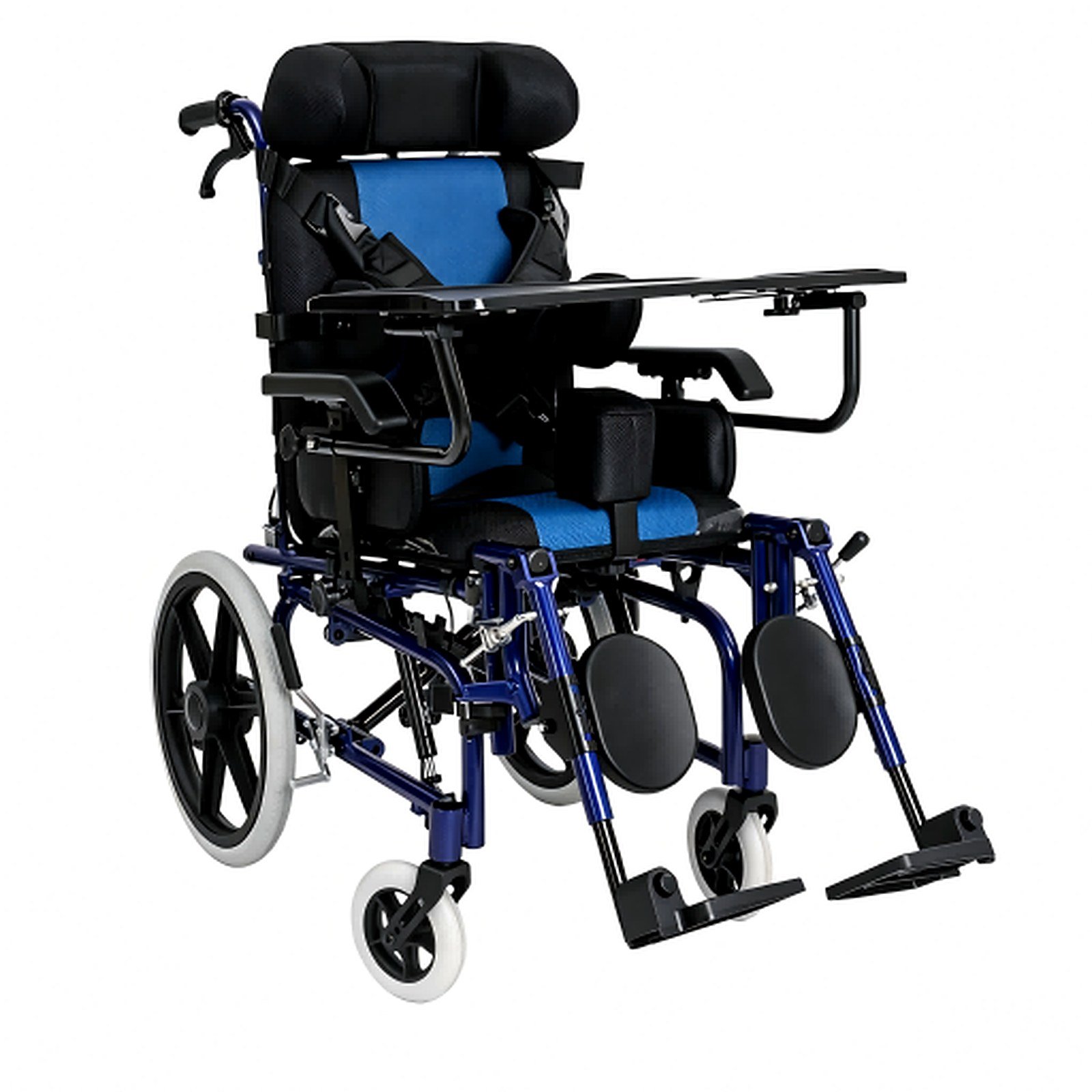
| Headrest |
0–15 cm height; lateral tension adjustable |
| Seat |
Width and depth adjustable |
| Leg Support |
Angle adjustable; narrative states 100° range |
| Safety |
Spinal and pelvic belts; rear anti-tip wheels |
| Side Guards |
Removable and height adjustable |
| Folded Size |
76 × 30 × 95 cm pediatric; 80 × 30 × 95 cm adult |
| Tray |
Optional and removable |
| Tires |
Solid; gray or black supplied according to stock |
| Compliance Claim |
Medical-device filing; number not stated |
Product Features
- Child and adult sizes.
- Hydraulic backrest recline.
- Independent 0–45° seat tilt.
- Adjustable headrest and seating.
- Dual positioning belts.
- Rear anti-tip wheels.
- Maintenance-free solid tires.
- Optional activity tray.
FAQ
Which specification is given for frame?
The product document lists the frame as Corrosion-resistant aluminum alloy.
How is versions described for this product?
The product document lists the versions as Pediatric / adult.
How does the Reclining High-back Pediatric Positioning Wheelchair support practical daily use?
Child and adult sizes. Hydraulic backrest recline.
What are the recommended application scenarios for model VT-MW-014?
Reclining High-back Pediatric Positioning Wheelchair is suitable for cerebral palsy, inability to sit independently, lower-limb disability, postoperative care, home positioning, pediatric rehabilitation, special education, and supervised outings.